A shoot booked for eleven in the morning in July looks great on a calendar and terrible on a memory card. By the time the crew has hauled reflectors across a parking lot, the sun is already flattening every face into squint and shine. The desert doesn’t hand you the same light twice a year, and pretending it does is how good concepts come back looking cheap.
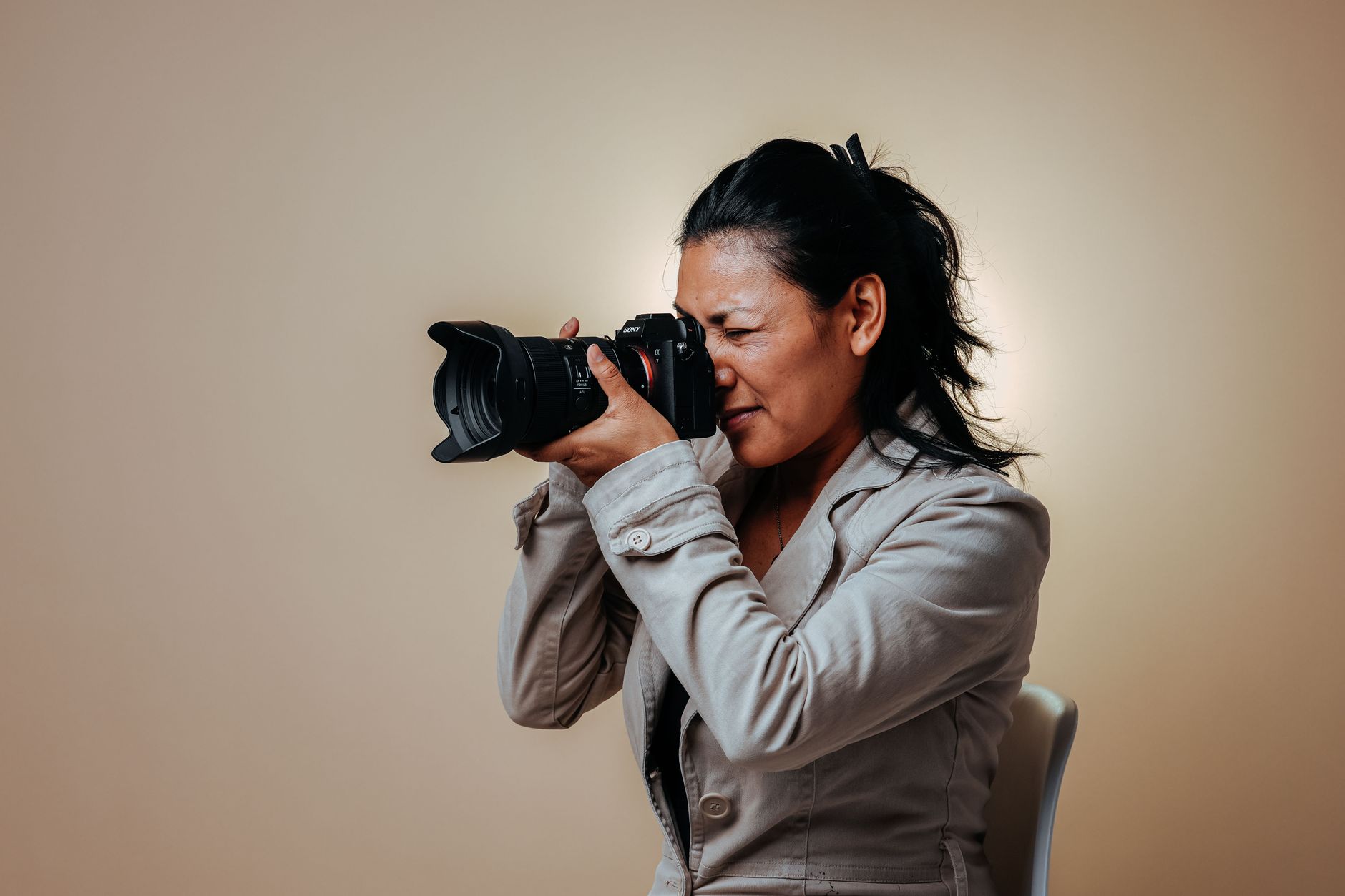
Planning outdoor and location work here means reading the season before you read the shot list. The window that works in December can sabotage you in August. Getting the timing right is less about equipment and more about respecting what the sky is doing that month.
Why Does Phoenix Summer Light Fight Your Camera?
Summer sun in this region sits high and comes down hard. From late morning through mid-afternoon, it drops nearly straight overhead, carving deep shadows under brows, noses, and chins. Skin looks slick, colors bleach out, and the contrast range gets so wide that either the highlights blow out or the shadows go to mud. No amount of clever posing fully rescues a face lit from directly above.
Heat adds a second problem that has nothing to do with optics. Talent wilts. Makeup slides. Wardrobe wrinkles and sticks. A three-hour block that felt reasonable in the planning meeting turns into a race to finish before everyone looks miserable. That’s why serious summer location work collapses into the edges of the day, the first hour after sunrise and the last hour before it drops, when the light comes in low and warm and the pavement isn’t radiating like a griddle. Those golden windows are short, so shot lists get lean and schedules get precise. Everything else that has to happen midday belongs indoors or under real shade, not out in the open where the season is working against you.
When Do Monsoon Skies Help or Wreck a Location Shoot?
Late summer brings the monsoon, and it is the most contradictory light of the year. On a good afternoon, storm clouds roll in and turn the whole sky into a giant softbox. Faces get even, flattering illumination with no squinting and no harsh shadow. Dramatic skies also make a branding backdrop look expensive for free. Some of the most striking outdoor commercial frames get made in that gap between clear and pouring.
The catch is that the monsoon does not keep appointments. A shoot can go from usable to unshootable in twenty minutes, and dust storms arrive with almost no warning, coating gear and killing visibility. Booking a hard-dated outdoor session in the thick of monsoon season is a gamble, so smart teams build a rain plan into the day rather than hoping. That usually means an interior backup location on standby and a photographer who can pivot without losing the schedule. If you’re pairing environmental brand shots with straightforward staff portraits, working with a linkedin profile photographer phoenix az who can shift indoors on short notice keeps the whole day from being held hostage by a single cloud bank.
Is Winter Really the Sweet Spot for Outdoor Branding Work?
For outdoor commercial work, the cooler months are hard to beat. The sun tracks lower across the sky, which means that flattering, angled light lasts for hours instead of minutes. Talent can stand comfortably in the open without melting, wardrobe holds up, and the desert landscape itself photographs richly under that softer winter angle. The usable window stretches wide enough to shoot a full campaign in a single day without chasing sunrise or racing sunset.
Demand follows the weather, of course, which is the trade-off. The pleasant season is also the busy one, so the best dates and locations book out well ahead. Waiting until the light is perfect often means the calendar is already full.
So the real choice is about matching your ambition to the season in front of you. Big outdoor branding concept with room to breathe? Reserve winter early. Need dramatic skies and willing to gamble? Monsoon afternoons can deliver something no other month will. Stuck shooting in high summer? Plan around the dawn and dusk edges and move everything else inside. The desert calendar isn’t an obstacle once you decide which version of the light you actually want to be standing in.