As a licensed optician who has spent more than 10 years working with patients and optometrists across Texas, I’ve learned that choosing the right optometrist college station is less about finding the closest office and more about finding a doctor who pays attention to how you actually live. I’ve seen patients come in expecting a routine prescription update and leave realizing their real issue was dry eye, poor contact lens fit, or a change in eye health they had not noticed creeping in.
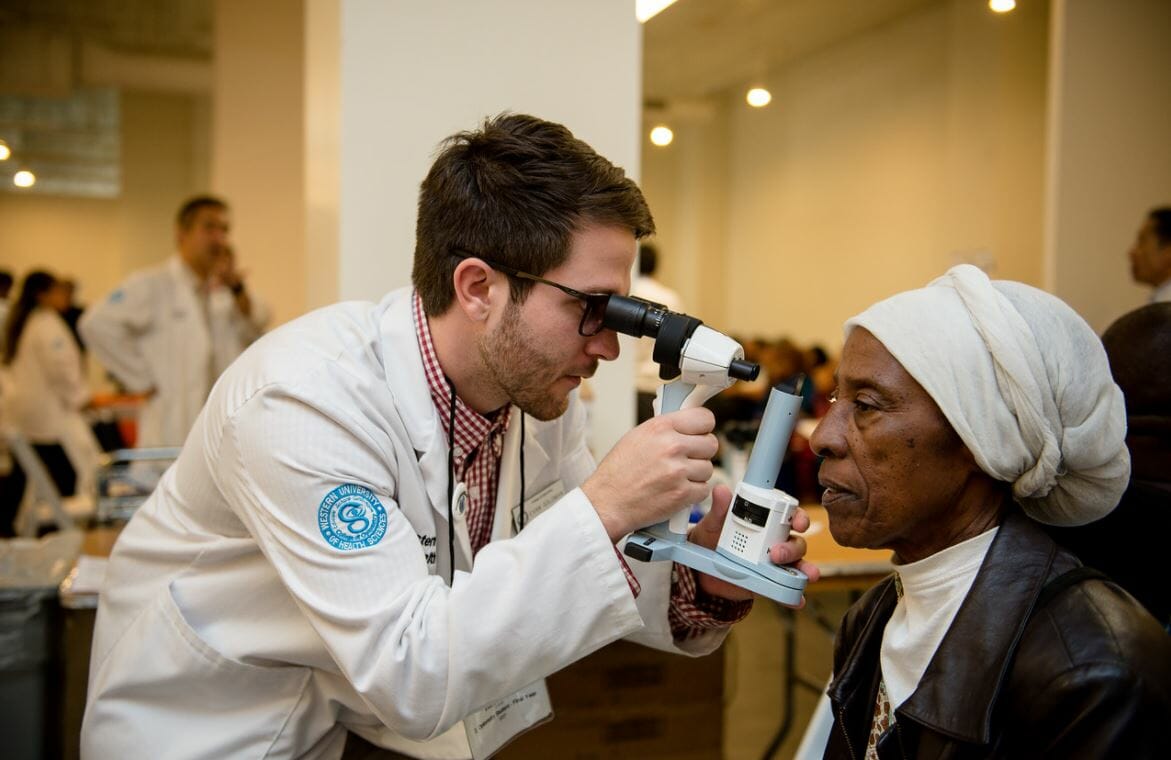
That difference matters. A strong optometrist does more than check whether line three looks clearer than line four. In my experience, the best ones ask questions that reveal what is really going on. They want to know whether your eyes get tired after hours on a laptop, whether night driving has become more frustrating, or whether your contacts feel fine in the morning but irritating by late afternoon. Those details often tell the real story.
I remember helping a college student during a particularly busy semester who was convinced her vision had suddenly gotten much worse. She told me the board in class looked fuzzy and that her eyes burned by the end of the day. After years in optical, I had seen that pattern enough times to know it was not always as simple as “I need stronger glasses.” Once the optometrist started asking about screen use, late-night studying, and how long she kept her contacts in, the issue became clearer. Her prescription had changed a little, but the bigger problem was eye strain and dryness. She needed better lens habits and a care plan that matched how she actually used her eyes every day.
That is one of the biggest mistakes I see people make: they assume every vision problem is a prescription problem. Sometimes it is, but often it is a comfort issue, a lifestyle issue, or an eye health issue that only shows up when the doctor slows down and listens.
Another case that stuck with me involved a man who had been ordering glasses online from an old prescription because it seemed easier and cheaper. He finally came in after headlights started bothering him on the drive home from work. He had adjusted so gradually to the change in his vision that he did not realize how much extra strain he was dealing with. Once he got a full exam, it was obvious his prescription was outdated, but that was only part of it. The optometrist also spotted early changes that needed to be watched. I generally advise people not to rely on old prescriptions for too long for exactly that reason. You can miss more than blurry vision.
I also pay close attention to how an optometrist explains things. After all these years, I have a strong opinion on that. If a doctor cannot explain why they recommend a certain lens, follow-up visit, or treatment, patients are less likely to trust the process. The best optometrists I’ve worked with speak plainly. They do not rush, they do not overcomplicate, and they do not make every solution sound like a premium upgrade.
In a place like College Station, where so many people balance screen time, studying, driving, allergies, and contact lens wear, practical care matters. I would always recommend choosing an optometrist who treats the exam like a real conversation, not just a transaction. From what I’ve seen in the exam room and at the dispensing table, that is usually where better outcomes begin.